Some ideas take half a century. In 1974 we launched the “Atlantis” project at Coorda – floating cubes for lakes. Later, on La Réunion, I ran a guesthouse of my own. In 2026 the two come together: aleae™ by Cubemotel™, modular and sustainable accommodation for Southern Europe.
Between camping and hotel
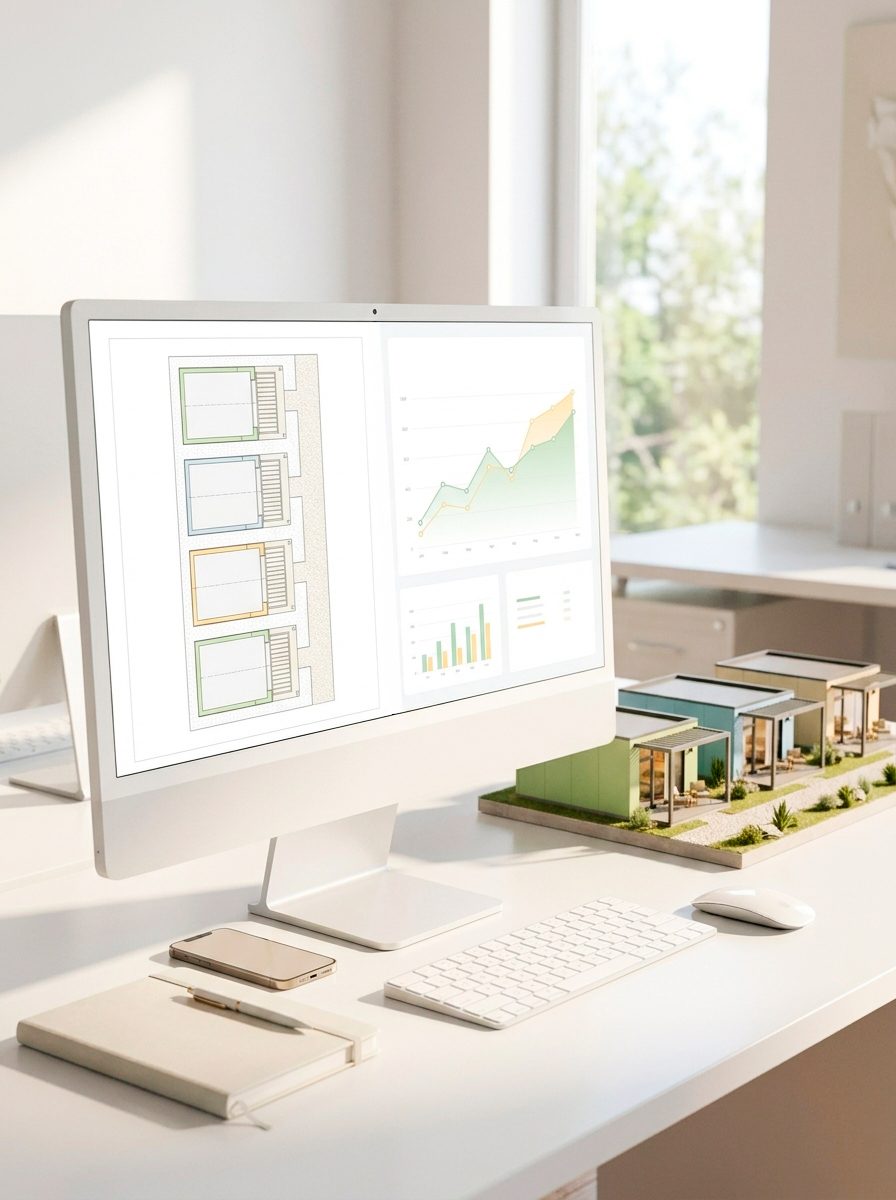
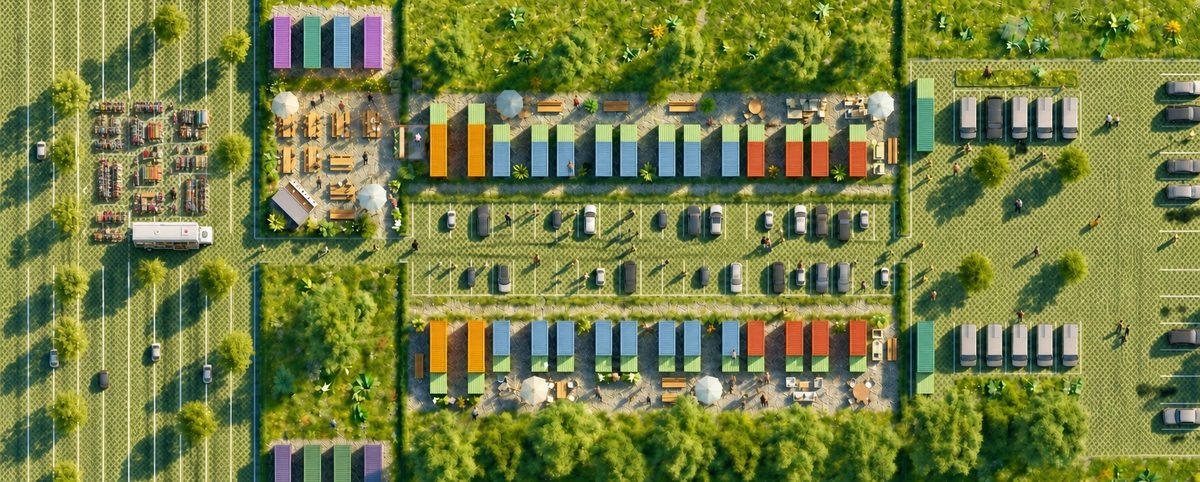
aleae is neither a campsite nor a hotel, but something in between. A site consists of modules in three sizes: Studio (16 m², up to 2 people), Standard (32 m², up to 3 people) and Famille (48 m², up to 5 people) – together 36 units for at most 100 guests. Add to that an area for motorhomes, facilities for all guests and a square that is also open to the village: a car park on normal days, on others a weekly market, flea market or concert space.
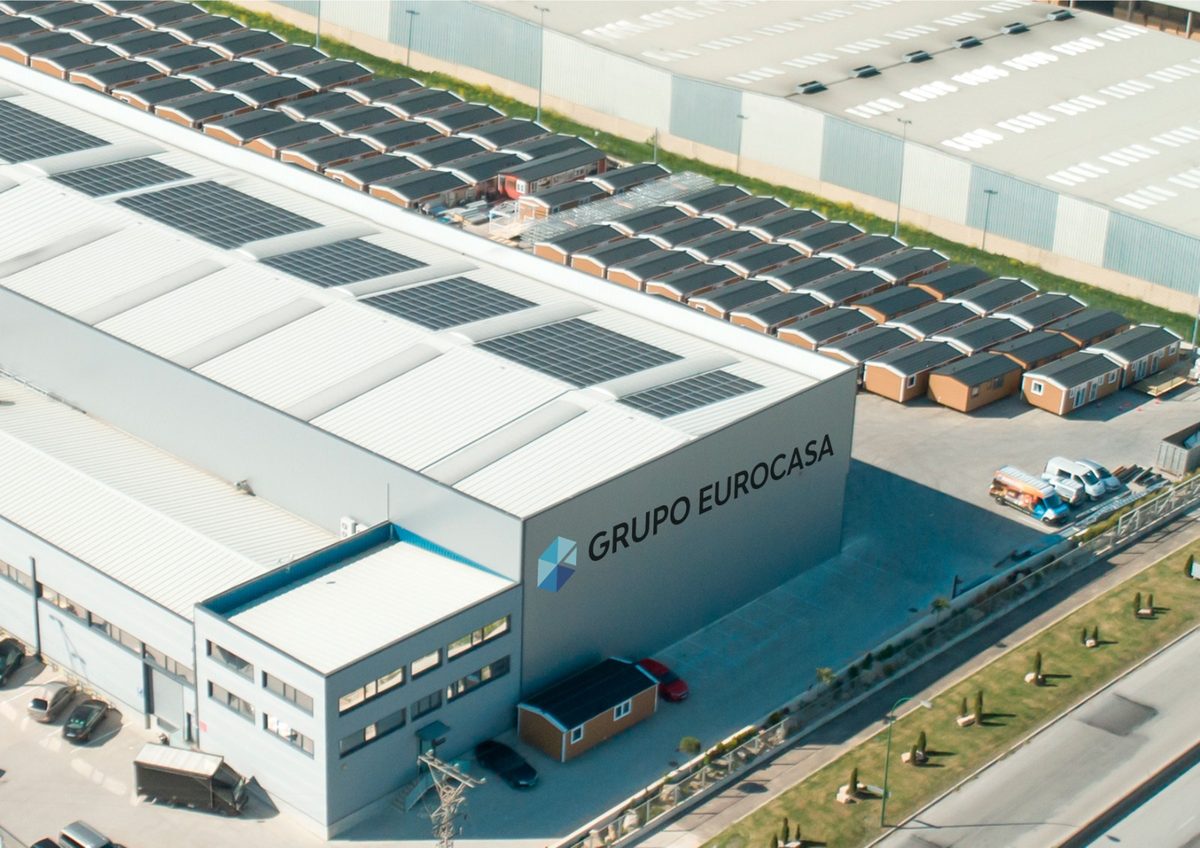
The modules are prefabricated in Europe and set up quickly – with as little intervention in the landscape as possible. They are built by our production partner Eurocasa / Nidify Home.
For guests: simply arrive
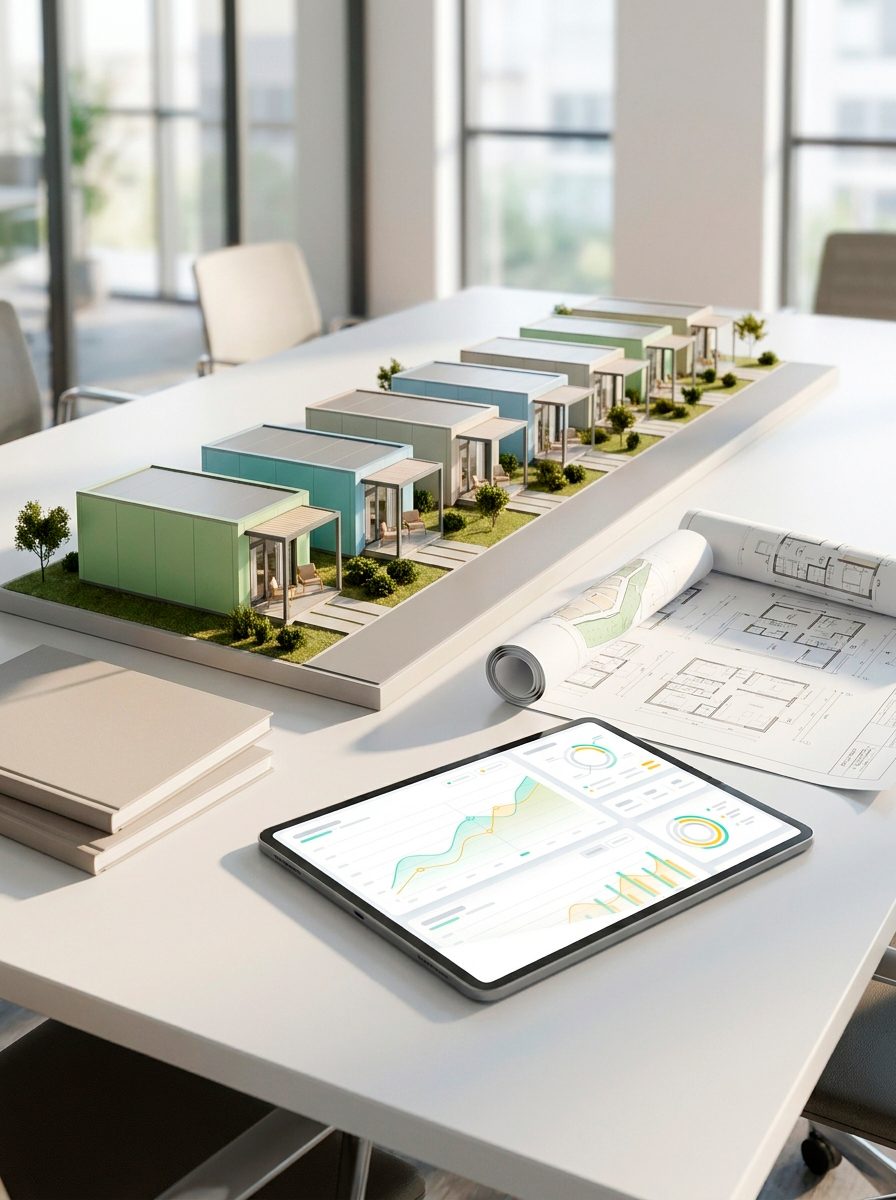
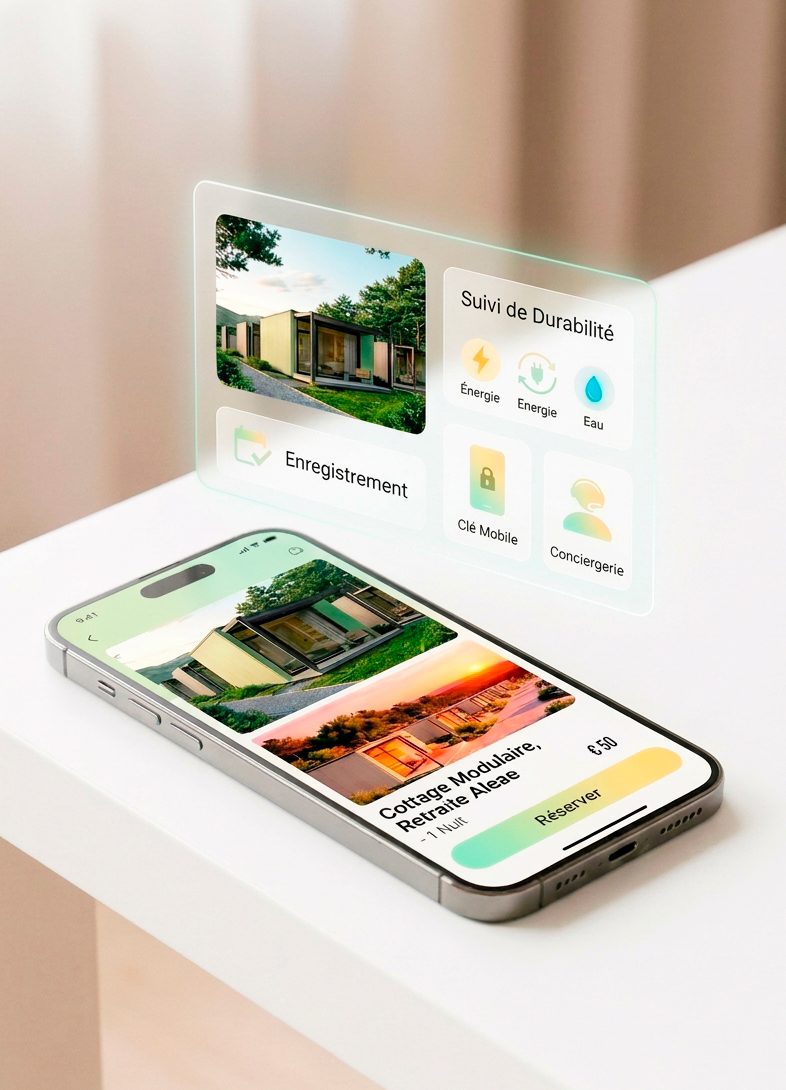
With the aleae app, guests are to book, check in, open their door with their phone and reach the concierge service. And they can see how much energy and water they have used during their stay – not as a reproach, but because sustainability may be visible.
For municipalities: a partner, not a foreign body
aleae looks for sites together with the municipalities. A site brings guests for the shops and restaurants in the village, local jobs and spaces that residents can use too. The first site is planned in the corridor between Narbonne and Carcassonne in Occitania; it is due to open in 2027. Further places in Southern Europe are to follow – step by step.
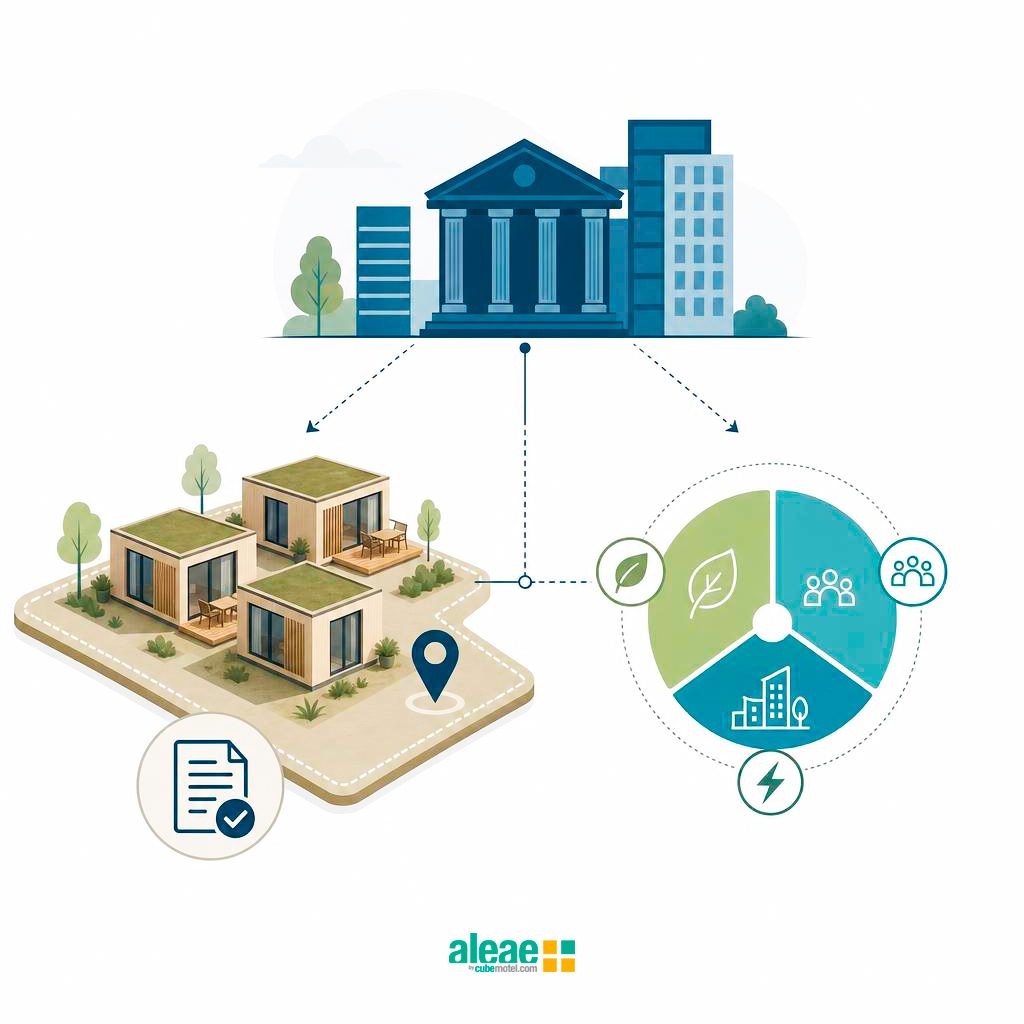
Financing works without banks: through crowdinvesting, sale & leaseback, revenue-based financing and convertible notes. You will find the details on aleae.eu.
What I took away from the Manacoël
On La Réunion I learned what guests really need: a quiet, clean home for a while, someone who knows the place, and the region as an experience right outside the door. That is exactly what every aleae site should offer – only in modules, built sustainably and designed for many places. There is more about the Manacoël in the article about 2006.
Atlantis – the idea from 1974 returns
In 1974 the “Atlantis” project envisaged autonomous floating units – cubes that would lie in small clusters on lakes and in calm sea areas. The time was not yet ripe: there were no affordable solutions for energy, wastewater and stability back then.
Today that is different. Thin-film solar panels on the roof, long-life lithium iron phosphate batteries, rainwater with UV filtering, greywater recycling via membrane bioreactors and floats made of recyclable polyethylene make floating units possible that are comfortable and release nothing into the water.
Under the name Atlantis by aleae™ we are taking the idea further: smaller, lighter modules than on land, as a cluster of four to eight units with a shared meeting point, connected by jetties and reachable from the shore by jetty or boat. Not for the open sea, but for sheltered lakes and calm bays – such as the Alqueva reservoir in Portugal or the Lac du Salagou in Occitania, which we would like to look at more closely. Not camping on the water, more a floating retreat.
For now, Atlantis is an extension on paper. The site on land comes first – but it is good to see that an idea from 1974 is technically feasible today.
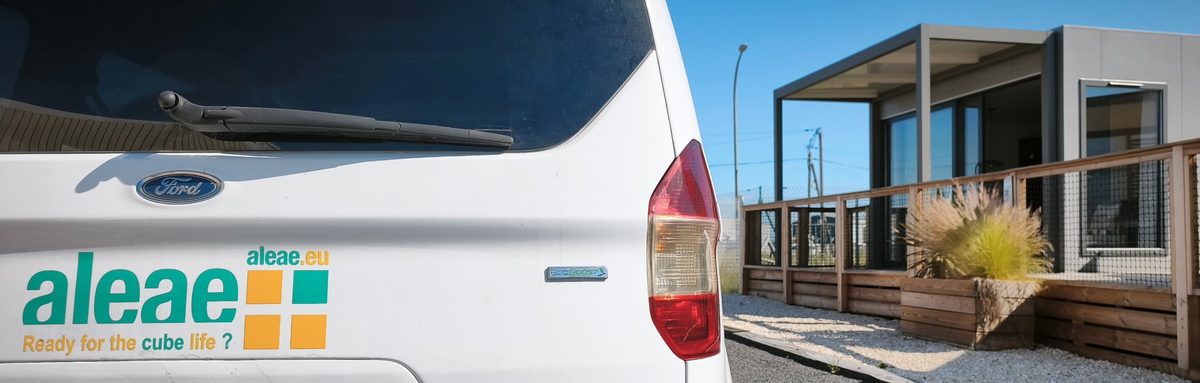
The site overview, the model and app images and the diagram are visualisations of the aleae concept, not photos of finished sites. The photos of the aleae car in front of a module and of the Eurocasa / Nidify Home factory are real.
 Why our servers are in Europe
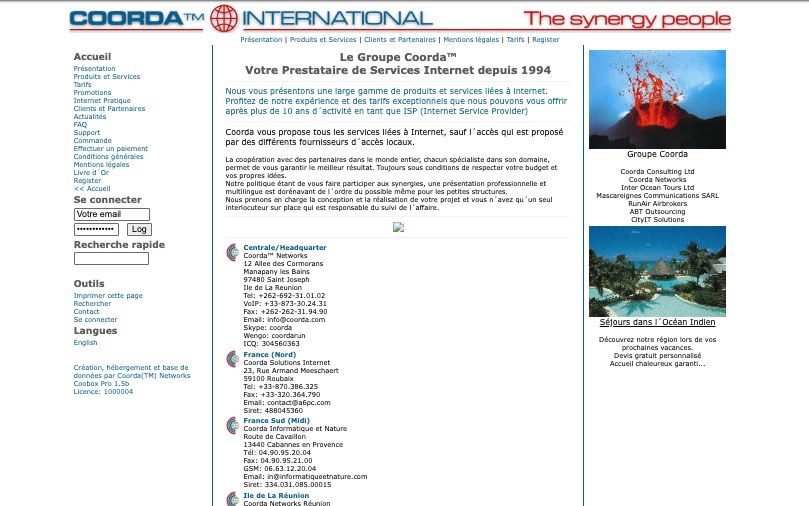 2006: Coorda, the synergy people – from La Réunion to the world
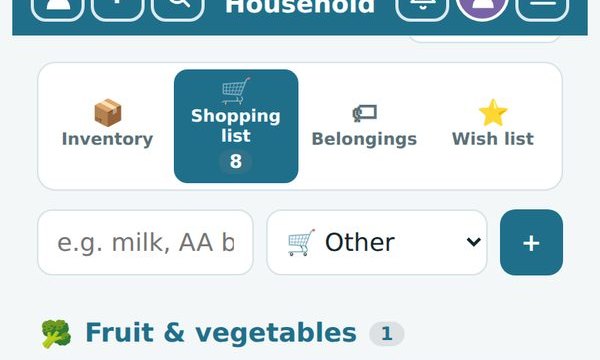 Sharing the shopping list with your family – it’s that easy