In autumn 1996 the internet was, for most people in France, still a word from the newspaper. The phone line whistled when you dialled in, pages built up line by line, and anyone who had an e-mail address often had to explain it – the @ was far from available everywhere. That October, in a hamlet near Sainte-Croix-en-Bresse, I founded Netfacts – a small company that builds, hosts and maintains websites.
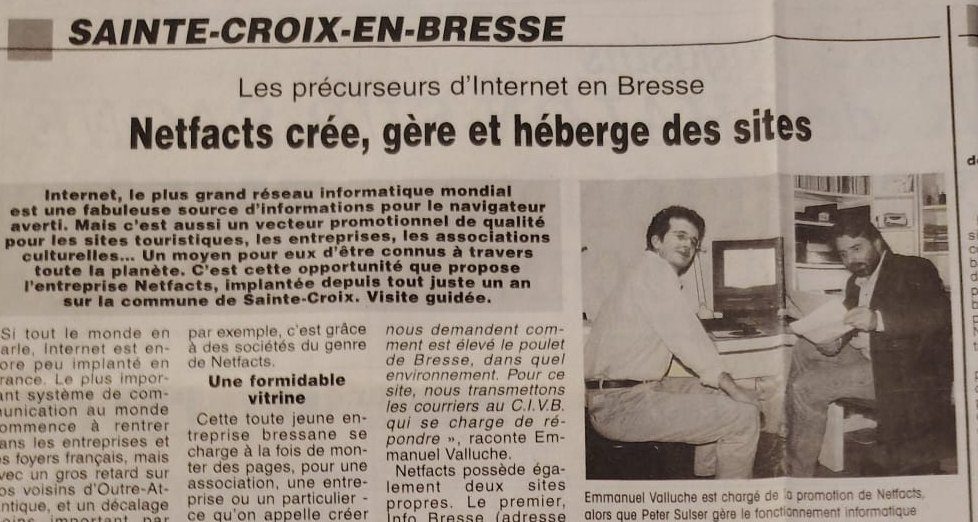
Bresse chicken, by e-mail from America
One of our first big clients was the Comité Interprofessionnel de la Volaille de Bresse, the association of Bresse poultry breeders. We built their website and forwarded the e-mails that arrived from all over the world. At first the server ran in our own office – after a month it was clear that the line would never be enough, and we moved the hosting to Germany. Emmanuel Valluche, who looked after our clients, told the newspaper at the time: “Every week we get messages from Americans who want to know how the Bresse chicken is raised.” For the breeders it was a small sensation – suddenly their chicken could be found worldwide.
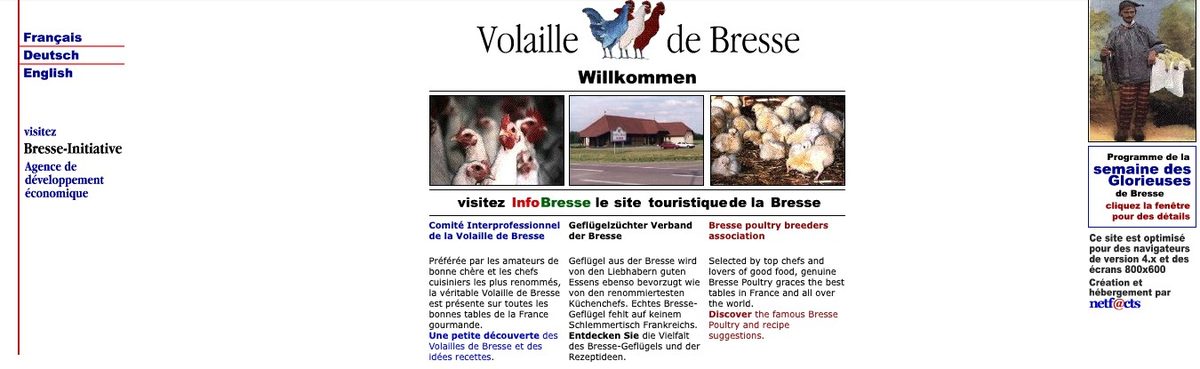
The site spoke French, German and English, showed the programme of the “Glorieuses de Bresse” – and carried the note we were proud of, bottom right: “Création et hébergement par netf@cts”. Above it, a line that makes you smile today: “Ce site est optimisé pour des navigateurs de version 4.x et des écrans 800×600.”
We also had sites of our own: Info Bresse on bresse.com presented the region – tourism, culture, sport, business, even farms to rent or buy, in French, German and English. burgonde.com, “L’Annuaire de Bourgogne”, listed the businesses of Burgundy by trade. In parallel we worked for river tourism – such as “Pavillon Saône, au fil de l’eau” – and, with L’Indépendant, the Journal de la Bresse et du Jura in Louhans, brought one of the first local newspapers online.
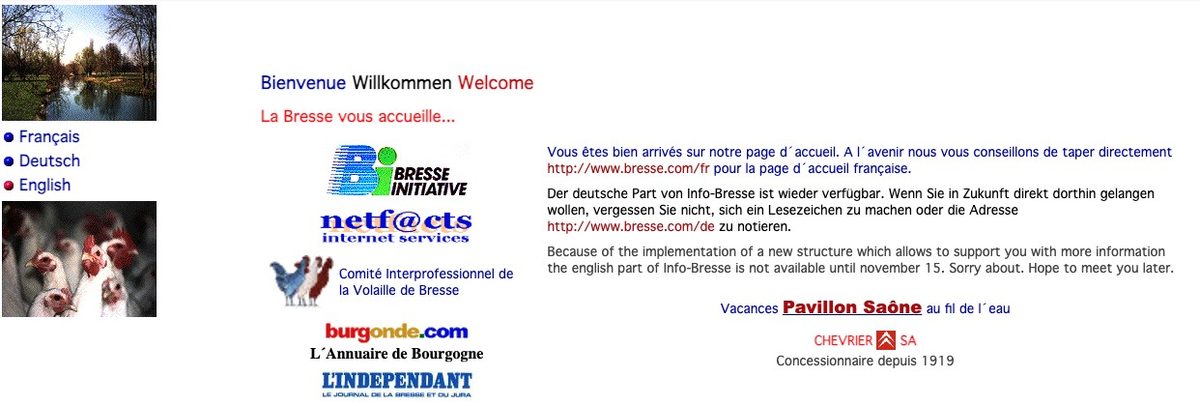
The Internet Archive still holds the home page of 11 November 1998: “Bienvenue Willkommen Welcome” at the top, next to it the logos of Bresse Initiative, the Comité of the Volaille de Bresse, burgonde.com and L’Indépendant – and ours: netf@cts, with the @ right in the middle of the name. Back then that was still a small statement.
D’Artagnan goes online
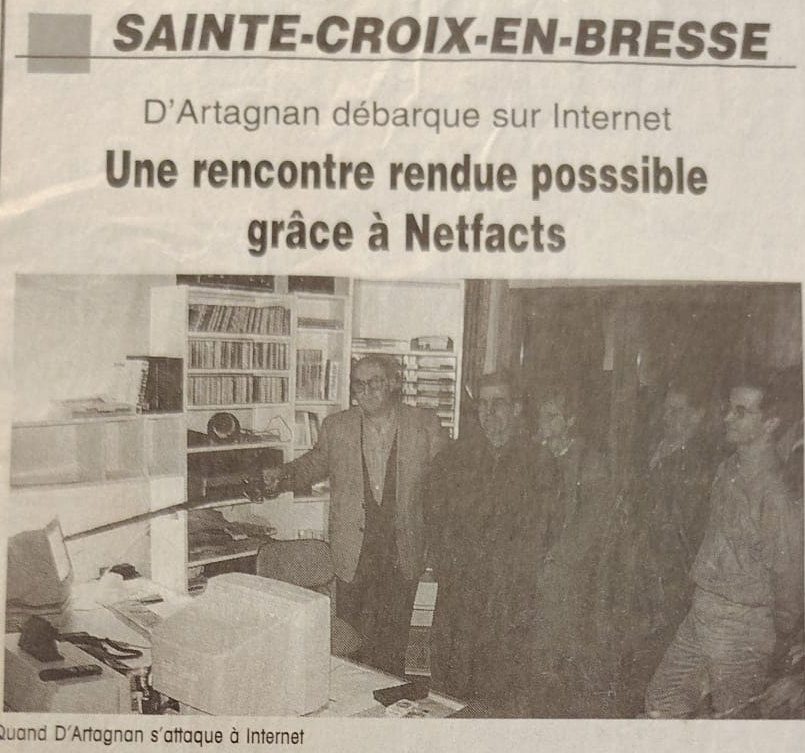
In January 1998 the Association D’Artagnan came to our office. Its president, Roger Trolliet, wanted people to find more online than restaurants and wines named after the musketeer – his story, and his link to the Bresse. Netfacts built, hosted and maintained the site. The newspaper’s headline: “D’Artagnan débarque sur Internet”.
What of it lives on in coorda
Our principle back then is in the article: the internet only lives from as much good information as possible – and it should serve the people and businesses on the spot. That is still the idea behind coorda today: local information, from people instead of algorithms, from the region for the region. What was a CRT monitor in a hamlet then is servers in Europe and services in eight languages today.
And what Netfacts offered in 1997 – building, hosting and maintaining websites – exists again: tailor-made for businesses, associations and municipalities, on coorda.com.
The newspaper clippings come from the Journal de Saône-et-Loire (late 1997 and 14 January 1998).
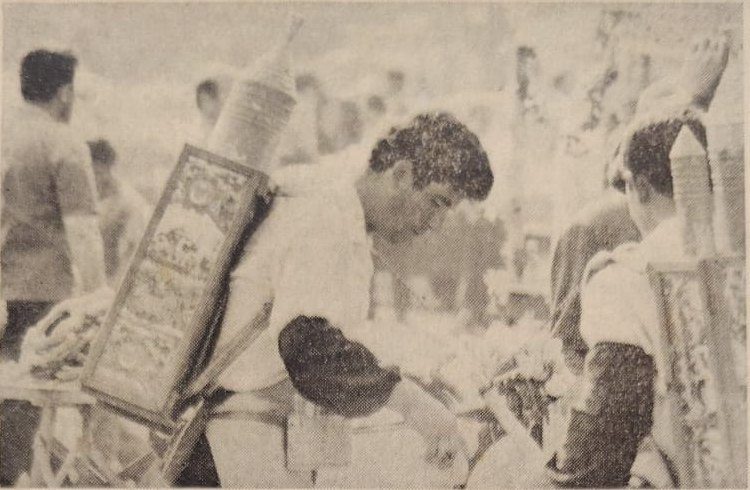 1970: When I was still pierrôt – on the road in Turkey
 Sharing the shopping list with your family – it’s that easy
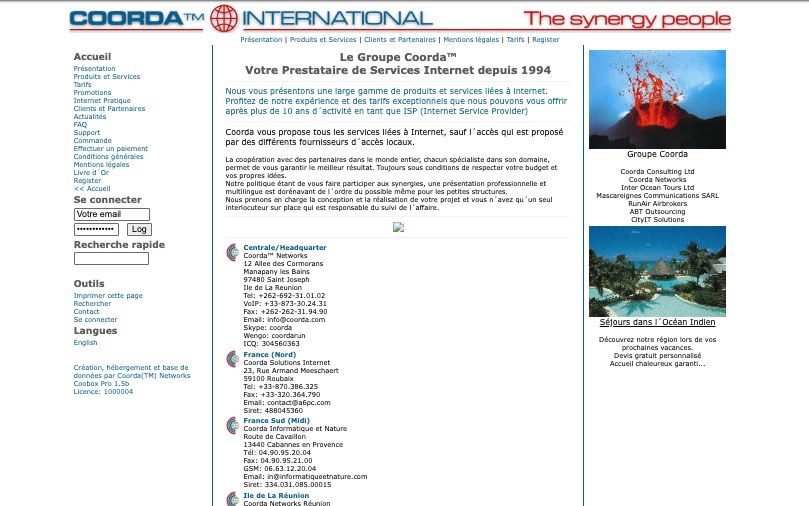 2006: Coorda, the synergy people – from La Réunion to the world